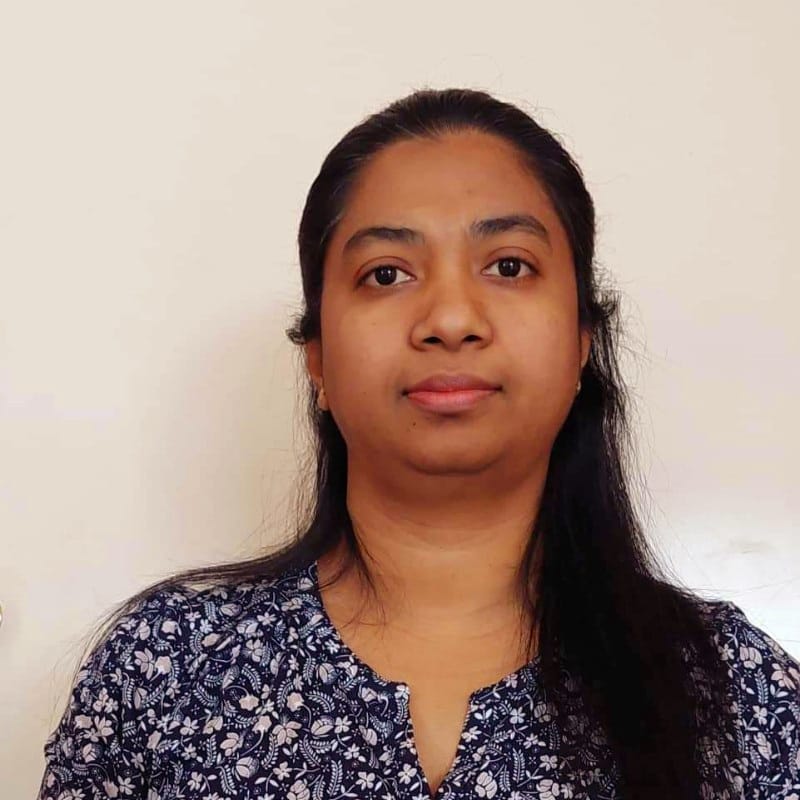
I am a part-time Master of Science (Thesis) student at Lincoln University, New Zealand, originally from Sri Lanka. With a background in agricultural science and crop science, my academic and research journey has always been grounded in improving food and forage systems for animal wellbeing. My current research focuses on understanding how diurnal and seasonal changes affect the nutritional composition, phenolic content, and fatty acid profiles of pasture species harvested at different heights. By identifying how plant chemistry varies across time and canopy layers, the study aims to support more informed pasture management strategies that enhance forage quality and contribute to better feeding systems in livestock production. This work reflects my strong interest in plant-based bioactives, particularly phenolics, and their role in promoting sustainable and nutrient-rich pasture systems. Prior to my master’s study, I gained hands-on experience in agricultural laboratories and research facilities in both Sri Lanka and New Zealand, including work in soil chemistry, milk quality testing, seed technology, and field sampling. I enjoy working in collaborative research environments and continually seek opportunities to contribute to practical, science-driven improvements in agricultural systems. Going forward, I aim to join a research or industry role that aligns with my skills in crop science, pasture management, and laboratory analysis. My goal is to contribute to sustainable agriculture by improving pasture quality and supporting the development of plant-based solutions that enhance the nutritional value of livestock feed and promote resilient farming systems.
Featured Team Member
Dr Lucas Gonzalez
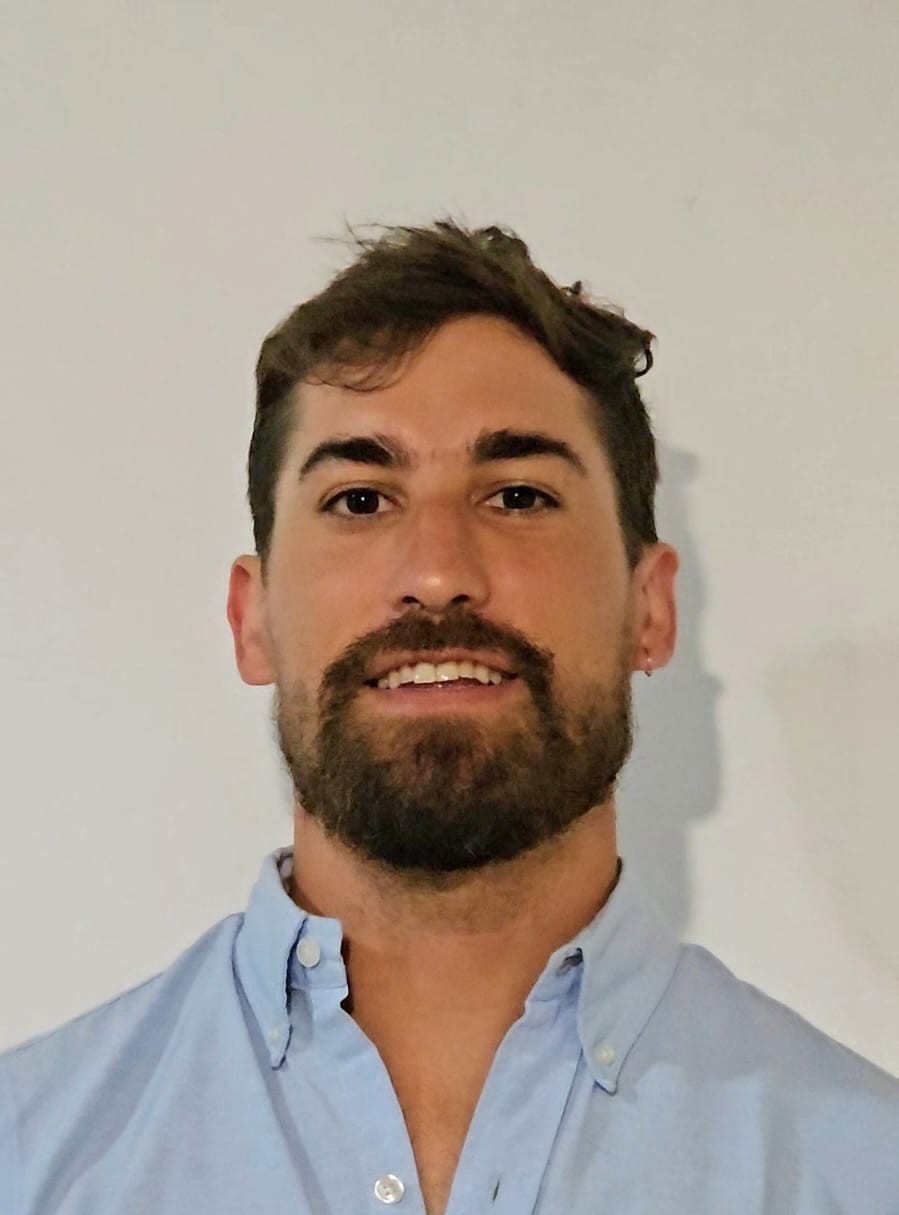
I was born and raised in a beef cow-calf and dual-purpose ovine flock farm in the Southwest of Buenos Aires Province, Argentina, where I developed an early interest in livestock husbandry. I earned an Ag. Eng. degree from the National Southern University (Argentina). As undergraduate student, I completed a 6-mo academic exchange at the Autonomous University of Chiapas (Mexico). Also, I completed an internship at the Forage Production Department of the National Institute of Agricultural Technology (INTA; Bordenave Experimental Station) which sparked my interest in researching. My undergraduate thesis identified a novel high-starch, low-fiber, and high-yielding barley cultivar whose whole-plant silage increased the digestible dry matter yield per hectare. Afterwards, I joined the Animal Production Department at the General Villegas Experimental Station of INTA. Recently, I completed my PhD program at the University of Buenos Aires (Argentina). My doctoral studies (i) explored the nutritional value of maize grains from contrasting origins as ruminant feedstuff, (ii) determined the microbial rumen degradable protein (RDP) needs on steers fed maize-based finishing diets, and (iii) improved gain-to-feed, carcass yield, and nutrients digestibility, unaffecting nitrogen excretion, of steers fed semi-dent, maize-processed, RDP-balanced diets. As part of my doctoral training, I completed a 3-mo visit to the North Florida Research and Education Centre of the University of Florida in Marianna (USA) as a Fulbright scholar. Nowadays, I am investigating opportunities for methane sensing and destruction on animal- and on barn-basis as post-doctoral fellow at Lincoln University. My research interests include ruminant nutrition, feedstuffs nutritional value evaluation, and sustainable ruminant production to reduce N excretion and emissions footprint.